Menopause and Your Pelvic Floor: How Pelvic Floor Physical Therapy Can Help
Menopause brings changes throughout the entire body, and your pelvic floor is no exception. Changes in hormones, muscle strength, connective tissue, and vaginal tissues can contribute to new bladder, bowel, sexual, and pelvic symptoms.
Unfortunately, many women are told these changes are simply part of getting older.
While pelvic floor symptoms may become more common during perimenopause and menopause, that does not mean you have to live with them. Pelvic floor physical therapy can help you understand what is changing and create a personalized plan to keep your pelvic floor strong, mobile, and functional.
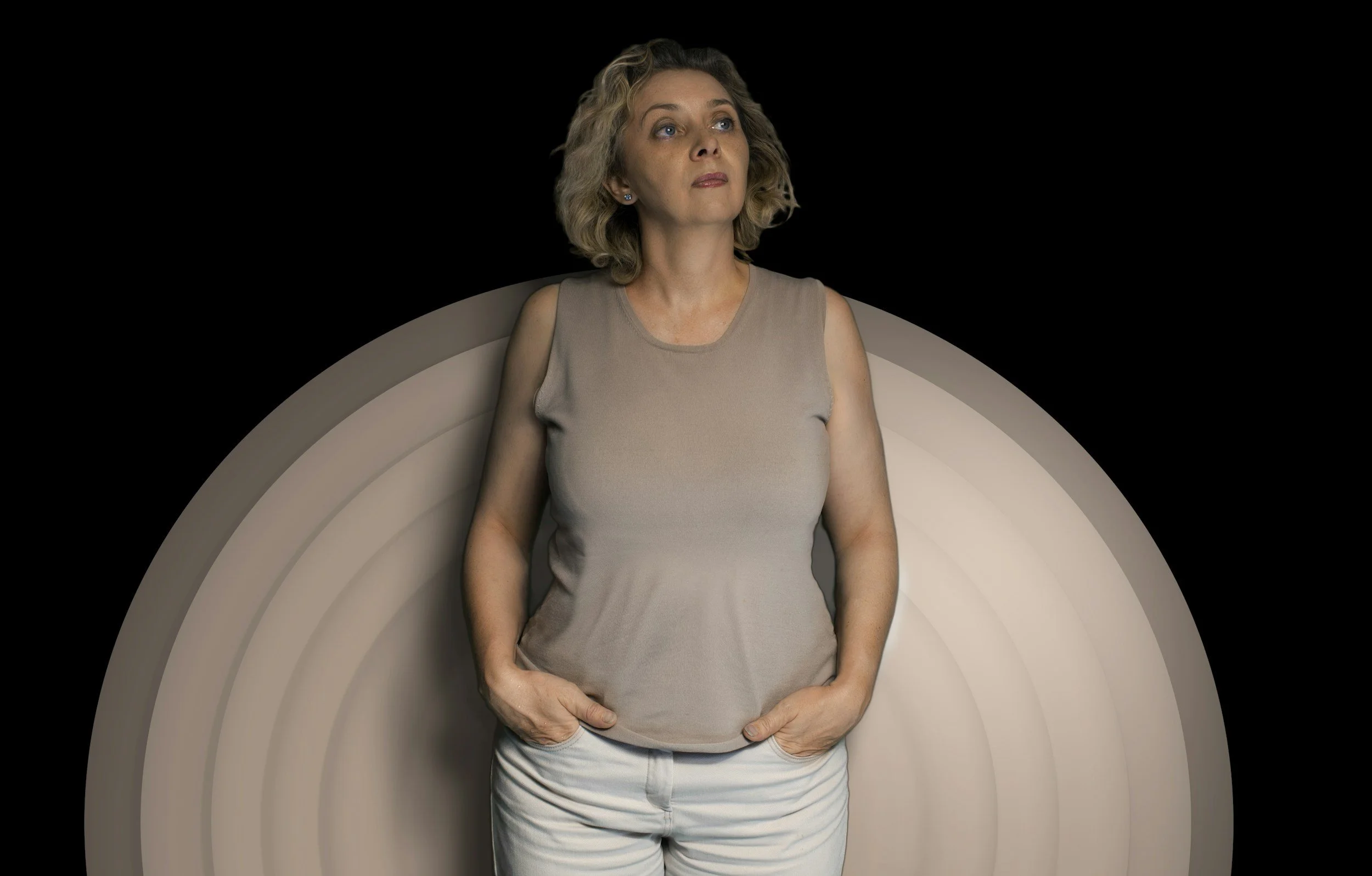
What Happens to the Pelvic Floor During Menopause?
During perimenopause and menopause, estrogen levels fluctuate and eventually decline. Estrogen plays an important role in maintaining the health of tissues throughout the vagina, vulva, urethra, and bladder.
Hormonal changes can contribute to changes in tissue elasticity, lubrication, blood flow, and sensitivity. At the same time, normal age related changes in muscle mass and strength can affect the pelvic floor just like any other muscle group in the body.
For some women, these changes happen gradually. For others, pelvic floor symptoms seem to appear almost overnight.
Common Pelvic Floor Symptoms During Menopause
Women may begin noticing symptoms such as:
Urinary urgency or frequency
Leaking when coughing, sneezing, laughing, or exercising
Waking frequently at night to urinate
Vaginal dryness or irritation
Pain or discomfort with intercourse
Pelvic pressure or heaviness
Constipation or difficulty emptying the bowels
Recurrent feelings of bladder irritation
Changes in sexual function
Pelvic, hip, or low back discomfort
You may experience only one of these symptoms or several at the same time.
Why Am I Suddenly Leaking Urine?
If you have never experienced bladder leakage before, having it suddenly appear during perimenopause or menopause can be surprising.
Your pelvic floor muscles help support the bladder and urethra and respond to changes in pressure when you cough, sneeze, run, jump, or lift something heavy.
Changes in muscle strength, tissue support, coordination, and bladder sensitivity can all contribute to leakage.
Pelvic floor physical therapy can determine whether your muscles need strengthening, improved coordination, better pressure management, or even more relaxation.
Yes, sometimes a pelvic floor that feels weak is actually too tight.
What About Urgency and Frequent Urination?
Feeling like you constantly need to pee is another common complaint.
Some women begin going to the bathroom more frequently because they are worried about leaking. Over time, this can train the bladder to signal that it is full before it actually needs to empty.
Pelvic floor tension can also contribute to urgency and frequency.
Treatment may include bladder retraining, pelvic floor coordination, breathing exercises, and strategies to gradually improve your bladder's ability to comfortably hold urine.
Menopause, Vaginal Dryness, and Pain With Sex
Hormonal changes can affect the vaginal and vulvar tissues, sometimes leading to dryness, irritation, burning, or discomfort with penetration.
When intercourse becomes painful, the pelvic floor may begin tightening automatically in anticipation of discomfort. Over time, this protective response can create additional muscle tension and make intimacy even more uncomfortable.
Pelvic floor physical therapy can address the muscular component of painful intercourse through gentle manual therapy, relaxation techniques, mobility exercises, and education.
Your pelvic floor therapist can also communicate with your gynecologist or other healthcare providers when symptoms may benefit from additional medical management.
Pelvic Organ Prolapse and Menopause
Some women first notice symptoms of pelvic organ prolapse during or after menopause.
Symptoms may include:
Pelvic pressure
Vaginal heaviness
A sensation that something is falling or dropping
A bulge near the vaginal opening
Symptoms that worsen after standing or exercising
Pelvic floor physical therapy can help improve muscle support, pressure management, breathing mechanics, and movement strategies to reduce symptoms and help you remain active.
Strength Matters During Menopause
Pelvic floor health is not just about the pelvic floor itself.
Maintaining strength throughout your hips, glutes, core, and entire body becomes increasingly important as we age. Your pelvic floor works as part of this larger system.
Your treatment may include squats, lifting, resistance exercises, core strengthening, hip exercises, and other functional movements based on your abilities and goals.
We want your pelvic floor to work when you're actually living your life, not just while you're lying on a treatment table.
You Don't Automatically Need More Kegels
One of the biggest misconceptions about pelvic health during menopause is that every woman should simply start doing more Kegels.
Some people absolutely benefit from pelvic floor strengthening.
Others have pelvic floor muscles that are already tight and overactive. Adding more contractions without addressing that tension may contribute to symptoms like urgency, constipation, or painful intercourse.
A pelvic floor evaluation allows us to determine what your muscles actually need.
Pelvic Floor Care Isn't Just for Pregnancy and Postpartum
You do not need to have recently given birth to benefit from pelvic floor physical therapy.
Your pelvic floor deserves attention throughout your entire life.
Whether you're experiencing your first bladder leak, returning to exercise, struggling with painful intercourse, noticing pelvic pressure, or simply want to stay strong and proactive as you age, pelvic floor PT can help.
Let's Work Together
At Rhode Island Pelvic Wellness, we provide private, one-on-one pelvic floor physical therapy for women throughout different stages of life, including perimenopause and menopause. We look beyond a single symptom to understand your bladder, bowel, sexual, orthopedic, and pelvic health as a whole.
Your treatment is designed around your specific body and goals. We want you to continue exercising, traveling, having comfortable intimacy, and doing the activities you enjoy without pelvic floor symptoms controlling your decisions.
Wondering who we are and what makes our approach different? Visit our About Us page to meet our pelvic floor physical therapists and learn more about our individualized approach to care.
Have questions about pelvic floor physical therapy during menopause? Visit our FAQ page to learn what happens during an evaluation, what treatment may involve, and what to expect when you come in.
Experiencing bladder leakage, urgency, pelvic pressure, constipation, or painful intercourse? Explore our Services page to learn more about the pelvic floor conditions we treat and how we can help you feel more comfortable and confident in your body.