The Importance of Pelvic Floor Physical Therapy During Pregnancy
Pregnancy is an incredible time of change, but it also places significant demands on your body. As your baby grows, your posture shifts, your breathing changes, and your pelvic floor takes on more responsibility than ever before. Pelvic floor physical therapy during pregnancy can provide support, education, and tools that help you feel more comfortable now and more prepared for birth and recovery later.
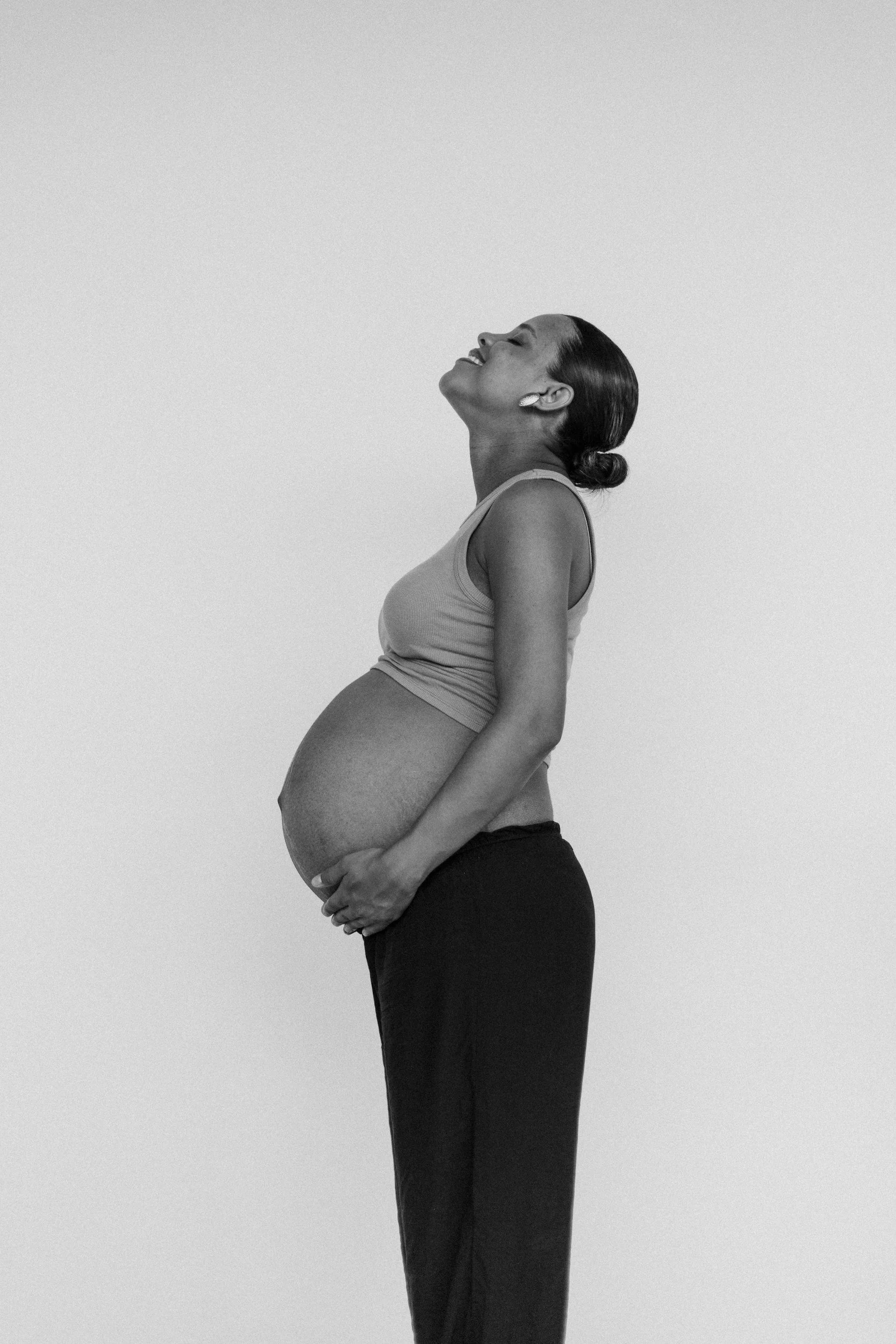
At Rhode Island Pelvic Wellness, we believe pregnancy care should be proactive, not reactive.
How Pregnancy Affects the Pelvic Floor
The pelvic floor is a group of muscles that supports your bladder, bowels, and uterus. During pregnancy, these muscles are influenced by:
Increased pressure from the growing uterus
Hormonal changes that affect tissue elasticity
Changes in posture and movement patterns
Altered breathing mechanics
These changes are normal, but they can lead to symptoms such as pelvic pain, urinary leakage, constipation, heaviness, or discomfort with daily activities if not addressed.
Common Pregnancy Symptoms Pelvic Floor PT Can Help With
Pelvic floor physical therapy can support people during pregnancy who are experiencing:
Pelvic, hip, tailbone, or low back pain
Urinary leakage or urgency
Constipation or difficulty emptying
Pelvic pressure or heaviness
Pain with movement, exercise, or prolonged standing
Even if symptoms are mild, early support can help prevent them from worsening as pregnancy progresses.
Preparing Your Body for Labor and Delivery
One of the most valuable aspects of pelvic floor PT during pregnancy is preparation for birth. Therapy focuses on helping your pelvic floor muscles not just strengthen, but also relax and coordinate.
This may include:
Breathing techniques to support effective pushing
Education on pelvic floor friendly labor and delivery positions
Strategies to reduce excessive tension that can contribute to tearing
Movement and mobility work to support endurance during labor
Understanding how to work with your body can make labor feel less intimidating and more manageable.
Prevention Matters Too
Pelvic floor PT is not only for treating symptoms. If you are feeling relatively good during pregnancy, therapy can still be highly beneficial. Targeted, body specific exercises can help reduce the risk of developing pelvic pain, urinary leakage, or core dysfunction later in pregnancy or postpartum.
This proactive approach supports long-term recovery and confidence in your body.
A Whole Body, Team Based Approach
Pelvic health does not exist in isolation. When appropriate, pelvic floor physical therapists can collaborate with other providers such as doulas, lactation consultants, and mental health professionals to ensure care feels well rounded and supportive. This is the way healthcare should already be.
Let’s Work Together
At Rhode Island Pelvic Wellness, we provide one-on-one pelvic floor physical therapy tailored to each stage of pregnancy. Our care focuses on education, comfort, and empowering you to feel confident in your body as it changes.
Want to learn more about our approach and team? Visit our About Us page to see how we support patients throughout pregnancy and beyond.
Have questions about pelvic floor PT during pregnancy? Our FAQ page explains what to expect and how to get started.
Ready to feel supported during your pregnancy? Explore our services to see how pelvic floor physical therapy can help you move, breathe, and prepare with confidence.